
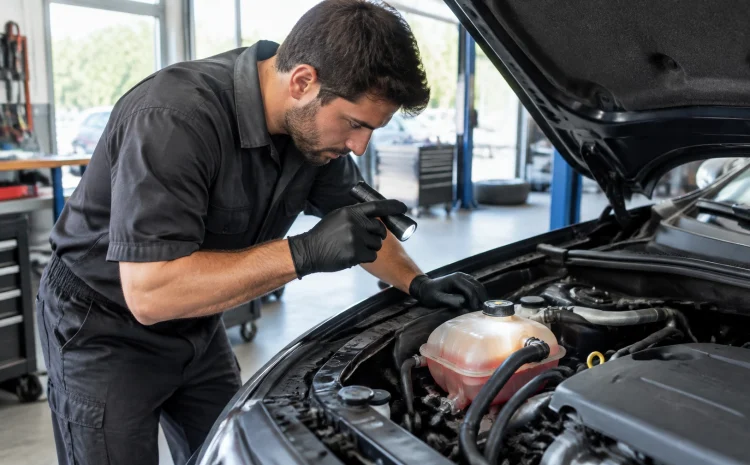
Coolant Flush vs. Top-Off: What Pantego Drivers Actually Need
When you’re stopped in traffic around Pantego and notice the temperature gauge creeping higher than usual, it’s natural to wonder whether your car needs a coolant top-off or a full flush. The two services aren’t interchangeable. One replaces a small amount of fluid; the other removes old coolant from the system and replaces it.
Knowing the difference can help you avoid paying for service you don’t need, while catching problems before overheating leads to a much larger repair.
What coolant does in your engine
Coolant, also called antifreeze, circulates through the engine and radiator to help control operating temperature. It also helps protect cooling-system components from corrosion and scale. The right coolant mixture raises the fluid’s boiling point and lowers its freezing point.
Over time, coolant’s protective additives wear down. Heat and use can change its chemistry, including its pH, while rust, scale, or other debris can contaminate the fluid. That means coolant can look acceptable at a glance but no longer offer the protection your vehicle needs.
Coolant type matters, too. Different vehicles call for different formulations. Color alone is not a reliable way to identify the right coolant, so check your owner’s manual or have the fluid identified before adding anything.
Coolant flush vs. top-off: What’s the difference?
A top-off adds fluid
A top-off brings the coolant level back to the range marked on the reservoir. It may be appropriate if the level is slightly low and the fluid is clean, the correct coolant type is known, and there’s no sign of a leak.
A top-off does not remove old fluid or restore depleted additives. And if the level keeps dropping, adding more coolant only treats the symptom. A leak or another cooling-system problem may be the underlying cause.
A flush replaces old coolant
A coolant flush generally involves removing old fluid, rinsing or cleaning the system as needed, and refilling it with the correct fresh coolant. The exact procedure can vary by vehicle and by the condition of the system. A drain-and-fill may leave some old coolant behind, so ask what the recommended service includes.
A flush may be appropriate when the vehicle’s maintenance schedule calls for it, testing shows the coolant is no longer in suitable condition, or the fluid looks contaminated. But it won’t repair a leak or fix a faulty cooling-system component. If there’s contamination, the cause should be checked before simply refilling the system.

Clues your coolant needs attention
Some signs are easy to spot; others call for an inspection. Pay attention to:
- A rising temperature gauge or overheating. Pull over safely if the engine temperature climbs into the danger zone. Continuing to drive an overheating vehicle can cause serious engine damage.
- A sweet smell near your car. This can be a sign of leaking coolant, especially if the odor is noticeable after driving.
- Discolored or cloudy fluid. Rust-colored, muddy, oily-looking, or unusually cloudy coolant deserves a closer look.
- A reservoir level that keeps falling. A recurring drop can point to a leak. It shouldn’t be assumed to be normal.
- Visible fluid beneath the vehicle. Coolant can come from a hose, radiator, water pump, or another part of the system.
The reservoir’s appearance can offer clues, but it doesn’t provide a full diagnosis. A technician may need to inspect the system for leaks and assess the coolant’s condition. If the engine has overheated or the fluid looks oily, don’t assume a flush alone will solve the problem.
Never remove a radiator cap or open a pressurized cooling system while the engine is hot. Hot coolant can spray out and cause severe burns. Let the vehicle cool completely before checking the reservoir.
When is topping off reasonable?
A top-off can be a sensible short-term step when the engine is cool, the level is only a little low, and you know which coolant your vehicle requires. Add only enough to bring the level to the specified mark. Follow the owner’s manual, and don’t overfill the reservoir.
Then keep an eye on the level. If it drops again, schedule an inspection instead of repeatedly topping it off. A pressure test or other checks may help identify where coolant is escaping.
If you’re unsure which coolant to use, don’t guess based on the fluid’s color or grab a universal product without checking compatibility. Using the wrong formulation can cause problems rather than prevent them.
When a flush is the better choice
A flush, or another manufacturer-specified coolant replacement procedure, may be the right choice if:
- Your vehicle has reached the coolant-service interval in its owner’s manual.
- The coolant is visibly dirty, rusty, cloudy, or contaminated.
- Testing indicates that the fluid’s protective properties have deteriorated.
- An incompatible coolant may have been added.
- The system has been repaired and the service procedure calls for replacing the coolant.
There’s no single schedule that applies to every car. Coolant chemistry, vehicle design, and driving conditions all affect service timing. Some vehicles need service sooner than others, while some newer coolant formulations are designed for longer intervals. Use your owner’s manual or manufacturer maintenance schedule as the guide, and ask for testing or inspection if the fluid’s condition is uncertain.
For more background, AAA explains what coolant does and why the correct type matters. Its guidance also emphasizes checking the vehicle’s requirements rather than choosing coolant by color.
What does a coolant flush cost?
The coolant flush cost depends on the vehicle, the coolant it requires, how much fluid the system holds, and what the service includes. A simple drain-and-fill may not cost the same as a more involved flush or a service that includes additional testing. If a leak or damaged part is found, that repair is separate from coolant replacement.
As a broad reference, Consumer Reports lists coolant flush estimates of about $200 to $400. That is not a quote for your specific vehicle or a guarantee of local pricing; actual estimates can vary. Ask whether the price includes the coolant, the procedure, and any inspection, and whether additional work is being recommended.
A fair recommendation should be based on your vehicle’s maintenance schedule and the coolant’s condition, not on a blanket claim that every car needs a flush. A top-off may be all that’s needed in some cases. In others, a flush is overdue or contamination needs attention. The right answer starts with checking the fluid and the system.
That conversation is especially worthwhile if your temperature gauge has been climbing during stop-and-go driving on Pioneer Parkway or you’ve noticed a sweet odor after a trip. Catching a cooling-system issue early can help you avoid the greater expense and inconvenience of engine overheating.
A clear next step for drivers in Pantego
If you’re weighing a top-off against a coolant flush in Pantego, start with the basics: check the owner’s manual, note any changes in the coolant level or appearance, and don’t ignore overheating or a repeated drop in fluid. The right service depends on what your vehicle needs, not just what sounds more comprehensive.
At Monart Motors, you can ask for a clear explanation of the inspection and any recommended maintenance before approving work. Contact the shop to discuss your cooling-system concern and arrange a visit.
