
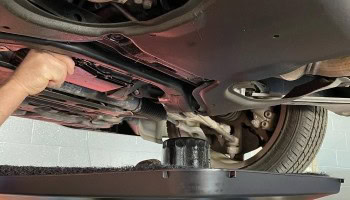
Is the 3,000-Mile Oil Change Dead? What Pantego Drivers Should Do Instead
If you are searching for oil change services near me, the most useful first step is not simply choosing the shortest or longest service interval you can find. It is understanding how often your vehicle should receive an oil change based on its engine, oil type and driving conditions.
Oil is responsible for lubricating moving engine components, helping manage heat and carrying contaminants away from sensitive internal parts. As oil ages, its ability to perform these jobs can decline.
While modern engines and synthetic oils have changed the conversation around oil changes, that does not mean drivers should push service intervals as far as possible. For many vehicles, keeping oil changes to 5,000 miles or less provides a more practical approach to routine engine maintenance.
Why the 3,000-Mile Rule Stuck Around
For many older vehicles using conventional oil, changing the oil every 3,000 miles or three months was a familiar maintenance rule. It gave drivers a simple way to remember when their vehicle was due for service.
Today’s vehicles use different engines, oil formulations and maintenance systems, so there is no single mileage interval that applies to every vehicle.
However, the fact that some newer vehicles have longer factory-recommended intervals does not necessarily mean that stretching oil changes as far as possible is the best approach for long-term engine care.
Oil is exposed to heat, pressure, fuel contamination and combustion byproducts every time the engine runs. Over time, these factors can affect the oil’s ability to properly lubricate and protect internal engine components.
For drivers who want to take a proactive approach to engine maintenance, changing the oil around every 5,000 miles or according to a more frequent schedule when driving conditions require it can help keep fresh oil circulating through the engine.
The goal is to avoid both unnecessary service and excessively long intervals that can leave aging oil in the engine for too long.
What Determines How Often You Should Change Your Oil?
Start With Your Owner’s Manual
Your owner’s manual is an important starting point for understanding your vehicle’s oil requirements. Check the maintenance section for:
- The recommended oil viscosity, such as 0W-20 or 5W-30
- The required oil specification
- The recommended maintenance schedule
- Any severe-service recommendations
- The recommended time interval between oil changes
- Instructions for resetting or using the oil-life monitor
A reputable technical bulletin from the Auto Care Association explains the difference between normal and severe driving conditions.
Your vehicle’s manual should always be consulted for the specific oil and maintenance requirements. At the same time, a factory maintenance interval should not automatically be treated as a reason to postpone oil service as long as possible.
For drivers focused on long-term engine care, a more frequent oil change schedule can be a reasonable maintenance choice.
Consider How You Drive Around Pantego
Your driving habits can have a major effect on how hard your engine works and how quickly its oil becomes contaminated.
A vehicle that spends most of its time cruising steadily on the highway may experience different conditions from one that makes frequent short trips through busy local roads.
Driving conditions that can place additional demands on an engine include:
- Frequent stop-and-go traffic
- Extended idling
- Repeated short trips
- Towing or carrying heavy loads
- Dusty or unpaved roads
- Frequent acceleration and braking
- Very hot or very cold operating conditions
Pantego’s hot summers and regular traffic throughout the broader Arlington area can make driving conditions more demanding, particularly if your vehicle spends a lot of time idling or making short trips.
That is one reason it is important not to treat mileage as the only factor. If your driving falls into a severe-service category, your vehicle may need oil changes more frequently than a vehicle driven primarily on longer highway trips.
Pay Attention to Oil Type
The type of oil your vehicle requires also matters.
Full synthetic oil is designed to provide strong protection under demanding conditions, but synthetic oil does not mean an engine can go indefinitely between oil changes.
Using the correct oil specification and viscosity is essential. The oil you choose should meet the requirements listed in your owner’s manual.
Even with synthetic oil, regular replacement matters because fresh oil provides the lubrication and protection your engine needs as it operates through thousands of miles of heat and combustion cycles.
A clean, properly lubricated engine is better positioned for long-term service than one running on oil that has been left in place for an excessive amount of time.
Clean, well-maintained engine bay showing modern engine components
How to Build a Better Oil Change Schedule
1. Keep Oil Changes Around 5,000 Miles or Less
For drivers looking for a simple maintenance rule, 5,000 miles is a useful upper target for routine oil changes, with more frequent service appropriate for certain vehicles and driving conditions.
Some drivers may prefer changing their oil closer to 3,000 or 4,000 miles, particularly when the vehicle sees frequent short trips, heavy traffic, extended idling or other demanding conditions.
The important thing is not to assume that because a vehicle is capable of going longer between services, it necessarily benefits from doing so.
Fresh oil is relatively inexpensive compared with major engine repairs. Regular oil changes are one of the simplest ways to stay proactive about engine maintenance.
2. Keep Track of Time, Too
Mileage is not the only consideration.
If you drive very few miles, do not assume you can leave the same oil in your engine indefinitely. Oil can still age and collect moisture and contaminants through repeated starts and short trips.
Keep track of both mileage and time since your last oil change. Your service records, windshield sticker or vehicle maintenance app can make this easier.
If you cannot remember when the oil was last changed, it is better to have the vehicle checked rather than continue driving indefinitely on an unknown service history.
3. Use the Oil-Life Monitor as a Tool, Not a Reason to Delay Service
Many newer vehicles have an oil-life monitoring system. These systems can track factors such as mileage, engine operation and driving conditions to estimate when an oil change is needed.
The monitor can be useful, but it should not be the only consideration when maintaining your vehicle.
If you prefer a proactive maintenance schedule, you can change the oil before the monitor reaches its lowest percentage. This can help ensure that aging oil is not left in the engine for an unnecessarily long period.
Also remember that an oil-life reminder is different from a low-oil-pressure warning. If a warning light indicates an oil-pressure problem, do not treat it as a routine oil-change reminder. It can indicate a more serious engine issue that requires prompt attention.
4. Check Your Oil Level Between Changes
Regular oil changes do not replace the need to check your oil level.
Some engines consume oil between services, particularly as they accumulate mileage. Running an engine with insufficient oil can reduce lubrication and increase the risk of internal damage.
Check the oil level according to the instructions in your owner’s manual. If you repeatedly find that the level is low, the vehicle may have an oil leak, oil consumption problem or another condition that needs to be diagnosed.
Bring the vehicle in if you notice:
- A low-oil or oil-pressure warning
- A ticking or knocking sound from the engine
- An oil spot underneath the vehicle
- A burning-oil smell
- Repeatedly low oil levels
- New or unusual engine noise
- Changes in engine performance
These symptoms should not simply be treated as reminders to schedule an oil change. They can indicate a problem that needs to be diagnosed.
5. Make Sure the Right Oil and Filter Are Used
An oil change is about more than draining old oil and adding new oil.
The correct oil specification, viscosity and filter should be used for the vehicle. Using the wrong oil can affect engine lubrication and performance.
During an oil service, a technician can also check the oil level and look for obvious leaks or other maintenance concerns.
The goal should be straightforward maintenance based on what the vehicle actually needs.
At Monart Motors, maintenance and inspection services in Pantego include oil changes, filter replacements and fluid checks. The focus is on helping drivers stay ahead of maintenance rather than waiting until an engine problem develops.
What Is a Good Oil Change Interval?
There is no single mileage number that applies to every vehicle, but a proactive approach can make the decision much simpler.
As a general guideline:
- Around 5,000 miles or less is a practical target for routine oil changes.
- Vehicles driven under severe conditions may benefit from more frequent changes.
- Older vehicles may require more frequent oil service depending on their condition and oil consumption.
- Short trips, stop-and-go traffic and extended idling can put additional demands on engine oil.
- The correct oil specification and viscosity are essential.
- Check both mileage and time since your last service.
- Keep an eye on your oil level between changes.
Your owner’s manual can provide important information about the type of oil and maintenance requirements for your vehicle. However, you do not have to wait until the longest possible factory interval to replace the oil.
Regular oil changes are a relatively simple form of preventive maintenance, and staying proactive can help reduce the amount of time aging oil remains in the engine.
Looking for Oil Change Services Near Me in Pantego?
The idea that every vehicle needs an oil change at exactly 3,000 miles may be outdated, but that does not mean oil should be left in an engine for as long as possible.
For many drivers, keeping oil changes around 5,000 miles or less offers a straightforward way to stay proactive about engine maintenance. Vehicles that experience demanding driving conditions may benefit from even more frequent service.
The most important factors are using the correct oil, keeping the oil level where it belongs, paying attention to driving conditions and maintaining a consistent service schedule.
If you are looking for oil change services near me in Pantego, Monart Motors can help you keep up with routine oil and filter service while checking for other maintenance concerns. Visit our maintenance and inspection page, book an appointment online, or call 817-966-6709. We are located at 1924 W Pioneer Parkway, Suite A, and provide clear communication before any work begins.

